Party themes by age: what actually works in Bali
The theme matters less than the age. Here is what lands at 2, at 5, at 8 and at 11 — and what quietly ruins a party at each one.
Under 2, the party is a photograph and soft play, not entertainment. At 3–5, one fully committed costumed character is the whole product. At 6–9, rotating activity stations and a science show. At 10+, drop the word 'party' entirely: neon, challenges and a sleepover format.
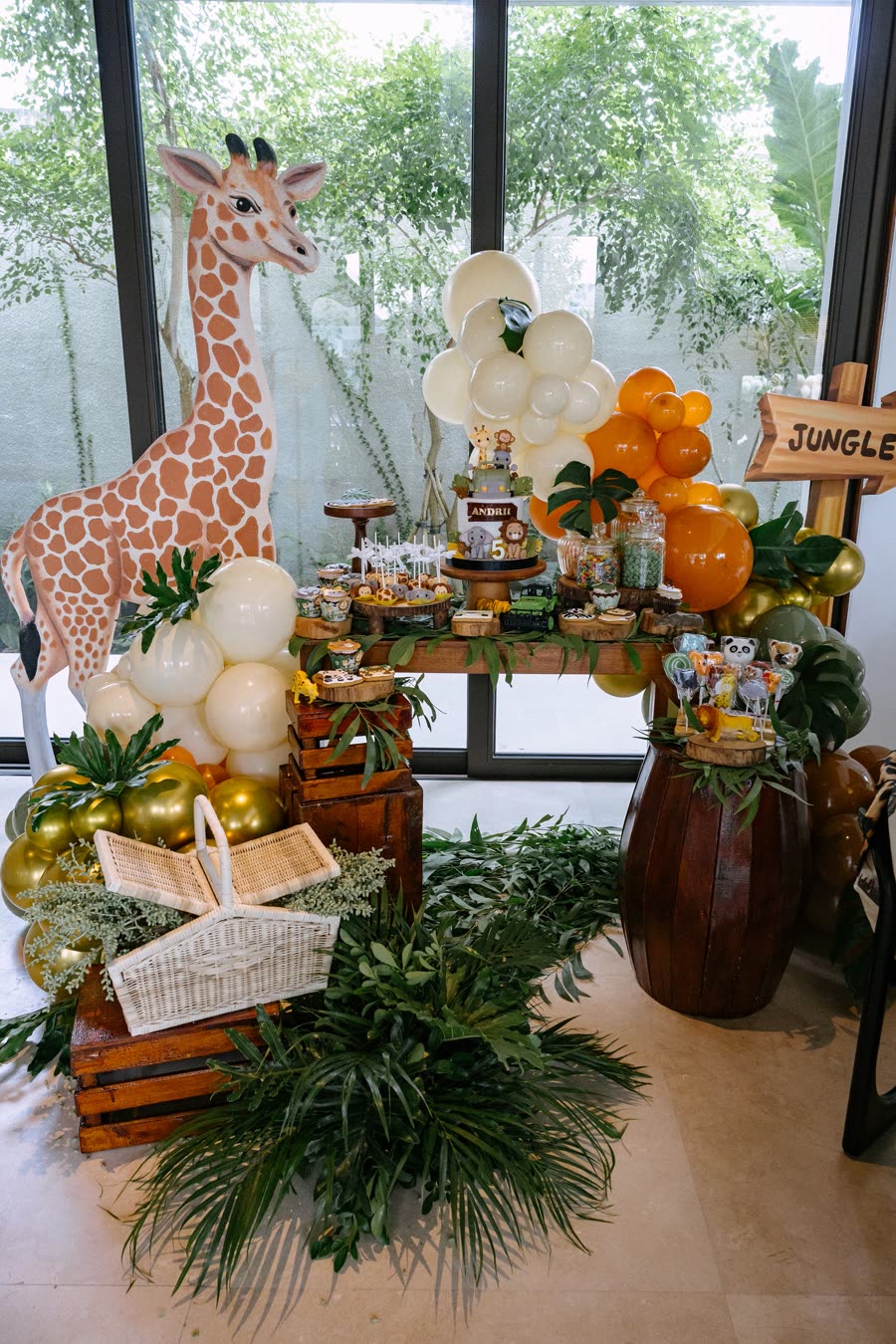
0–2: it is a photograph, not a party
The child will not remember the day, so build the thing that survives it: a styled set, good light, a cake made to be destroyed, and a photographer. Ninety minutes, maximum. A soft-play corner beats every costumed character — and a full-costume character at this age is likely to make a two-year-old cry.
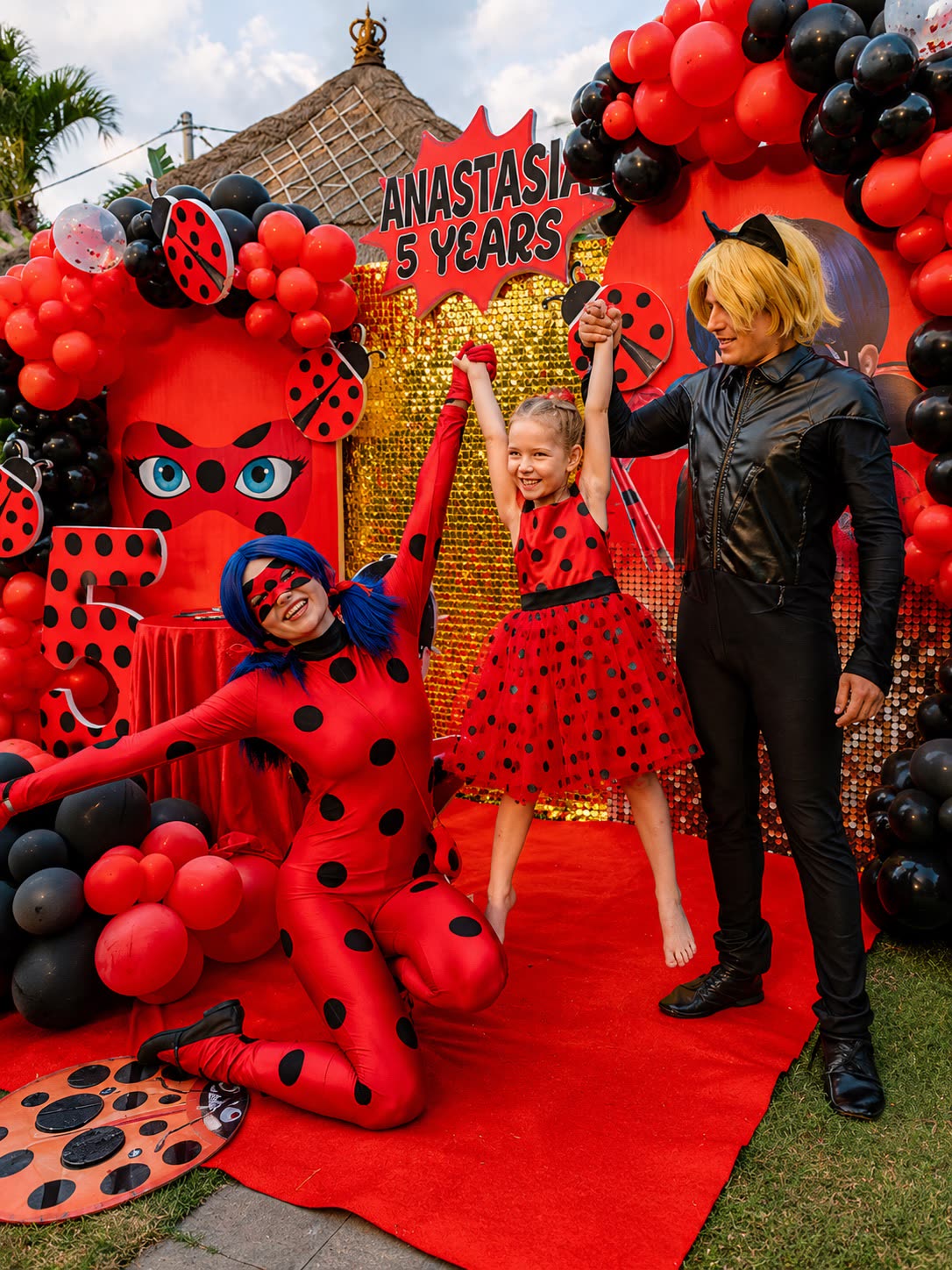
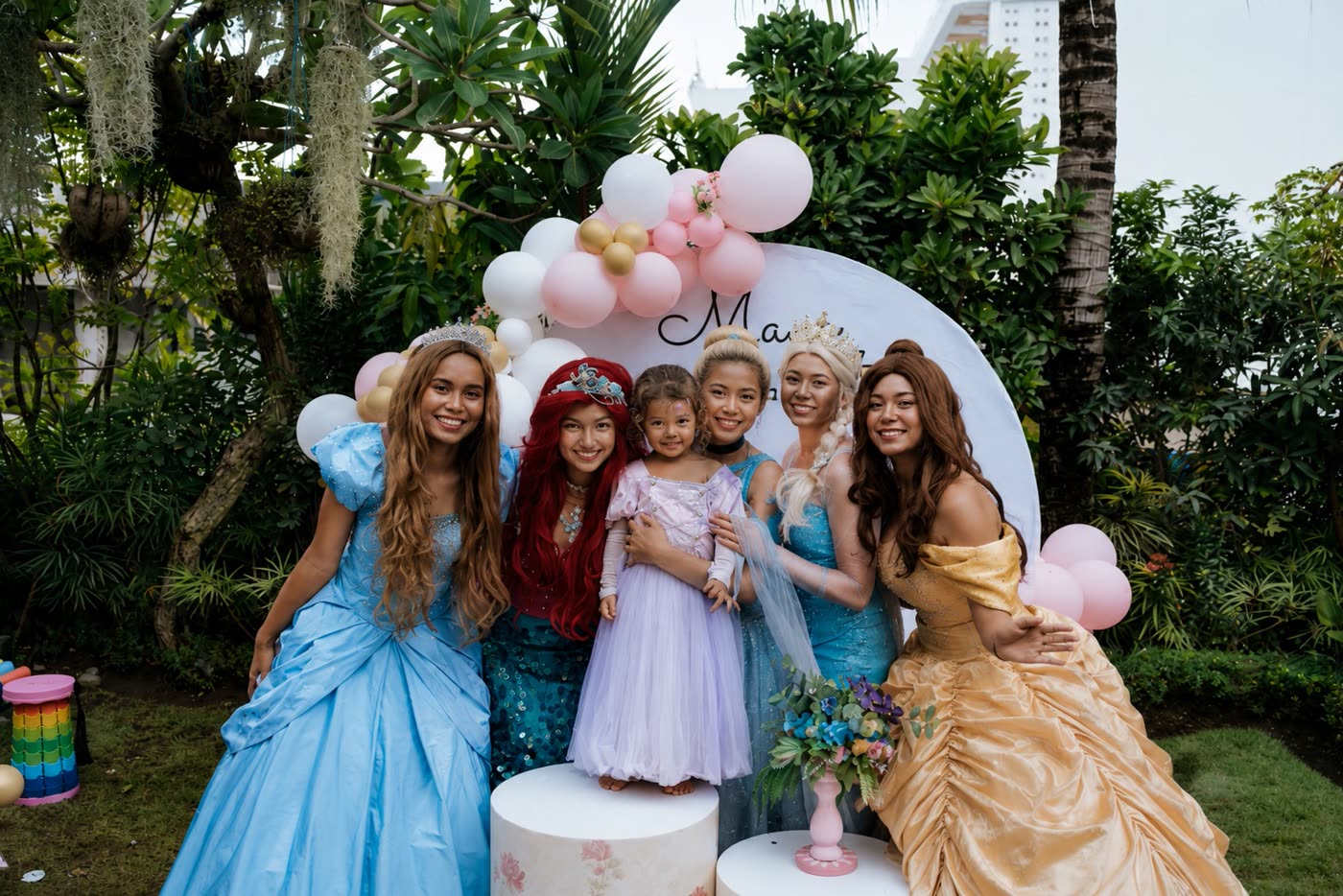
3–5: the character is the party
At this age the child believes completely, and the illusion is the entire product. One character, fully committed, who never breaks. Short game blocks, nothing competitive, a bubble show rather than anything with dry ice or noise. Bluey is the one character recognised across Australia, the UK, Singapore and the US at this exact age.
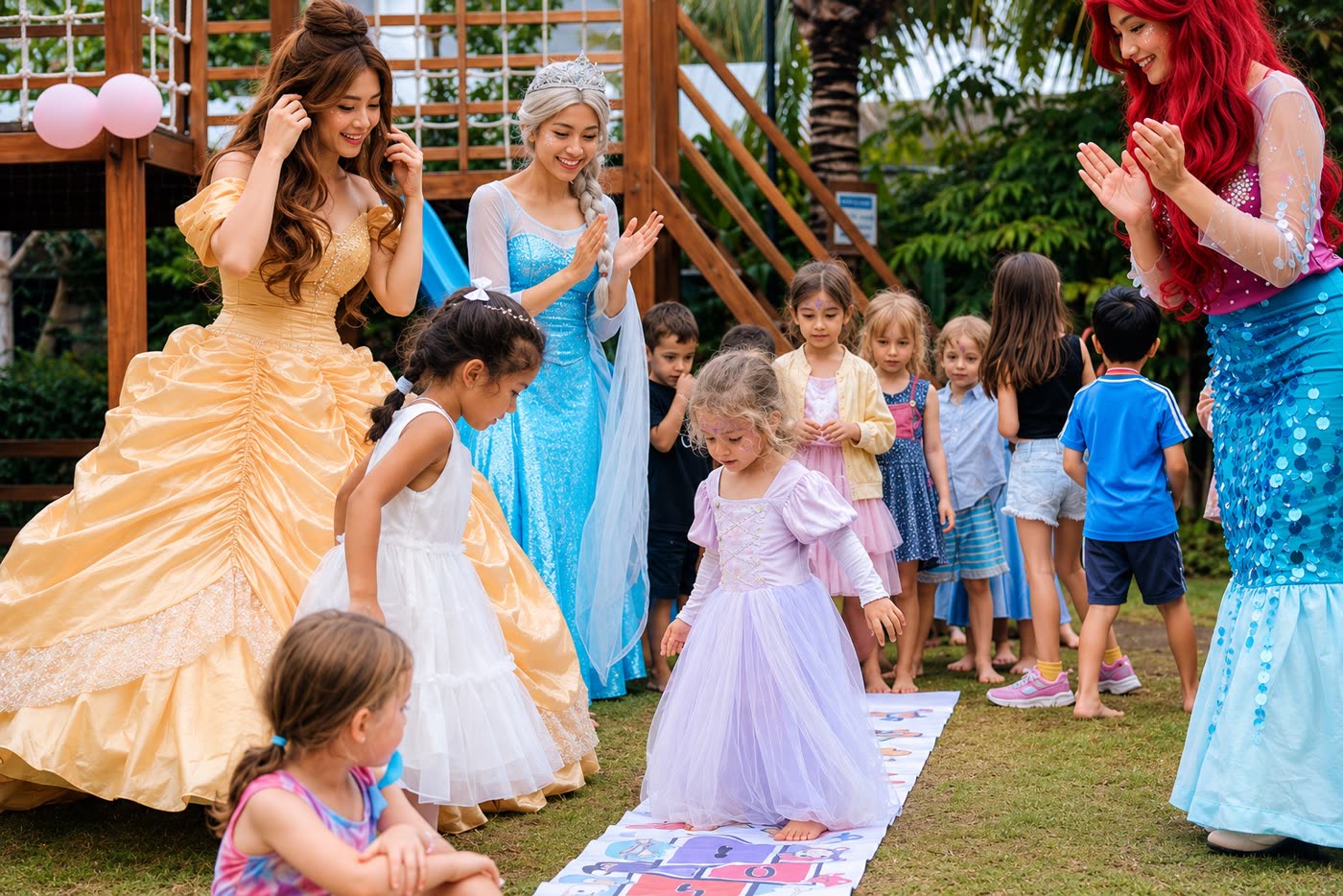
6–9: stations, competition, and a real show
This is the golden age. They are past believing in the costume and not yet too cool for the party. What works is rotation — a quest, a show, a workshop, a competition — and something to win. This is also the age at which the science and Tesla shows land hardest.
10+: never say 'party'
Kiddie decor loses a ten-year-old in about four seconds. Go dark, neon or boho. Run a format rather than a theme: a challenge tournament with a screen and a leaderboard, a neon night, a pamper-and-sleepover. And build it so that it photographs well, because that is how this age judges whether it was good.